PRE-ORDER Issue № 0: Ways of Seeing the Objective World

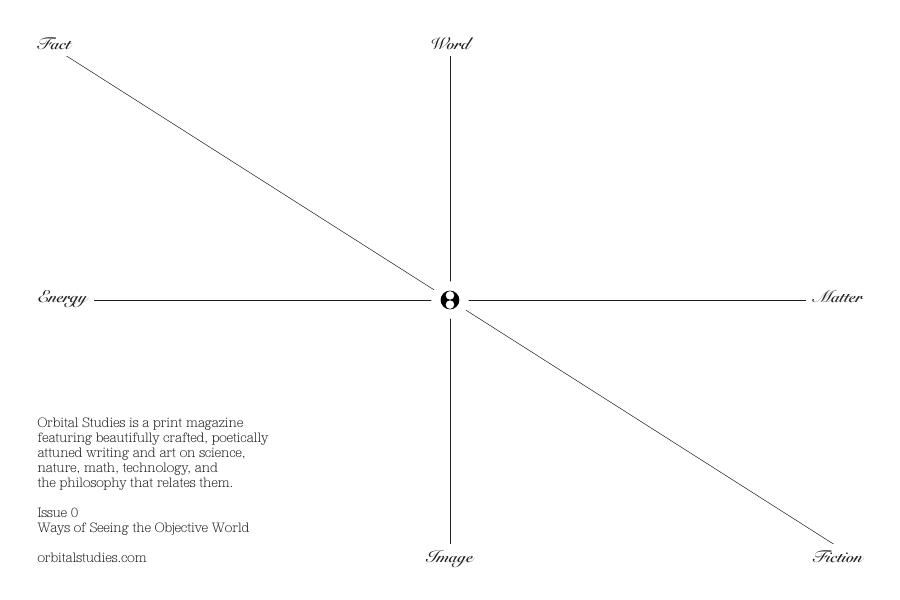
Orbital Studies is a literary science magazine. We publish writing and art in service of a more beautiful scientific culture.

Our inaugural issue features scientists, philosophers, poets and artists exploring questions of the living world. What separates living matter from our creations? Meaning, purpose, and agency were once scientific taboos—why are biologists now grappling with them? Why do we believe that the world might be knowable to us at all?

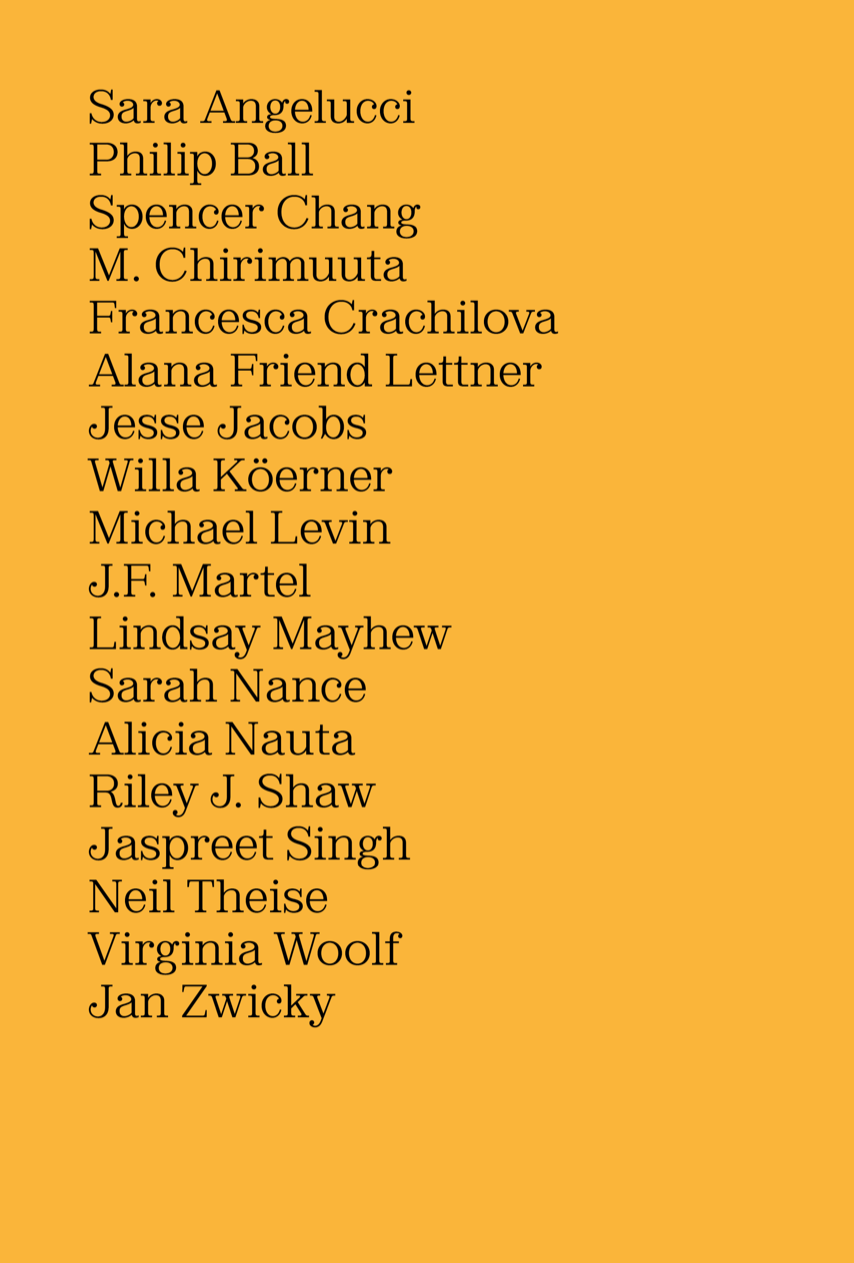
Sara Angelucci, Philip Ball, Spencer Chang, M. Chirimuuta, Francesca Crachilova, Alana Friend Lettner, Jesse Jacobs, Willa Köerner, Michael Levin, J.F. Martel, Lindsay Mayhew, Sarah Nance, Alicia Nauta, Riley J. Shaw, Jaspreet Singh, Neil Theise, Virginia Woolf, Jan Zwicky

EDITOR IN CHIEF
Xavier Snelgrove
CHIEF ALCHEMIST
Cheryl Hsu
ART DIRECTION
AUTHENTIC
SENIOR EDITOR
Peter Henderson
SCIENCE EDITOR
Jen Dodd
FICTION EDITOR
Nora Jenkins Townson
POETRY EDITOR
Tyler Stuart
COPY EDITOR
Jeffrey Malecki
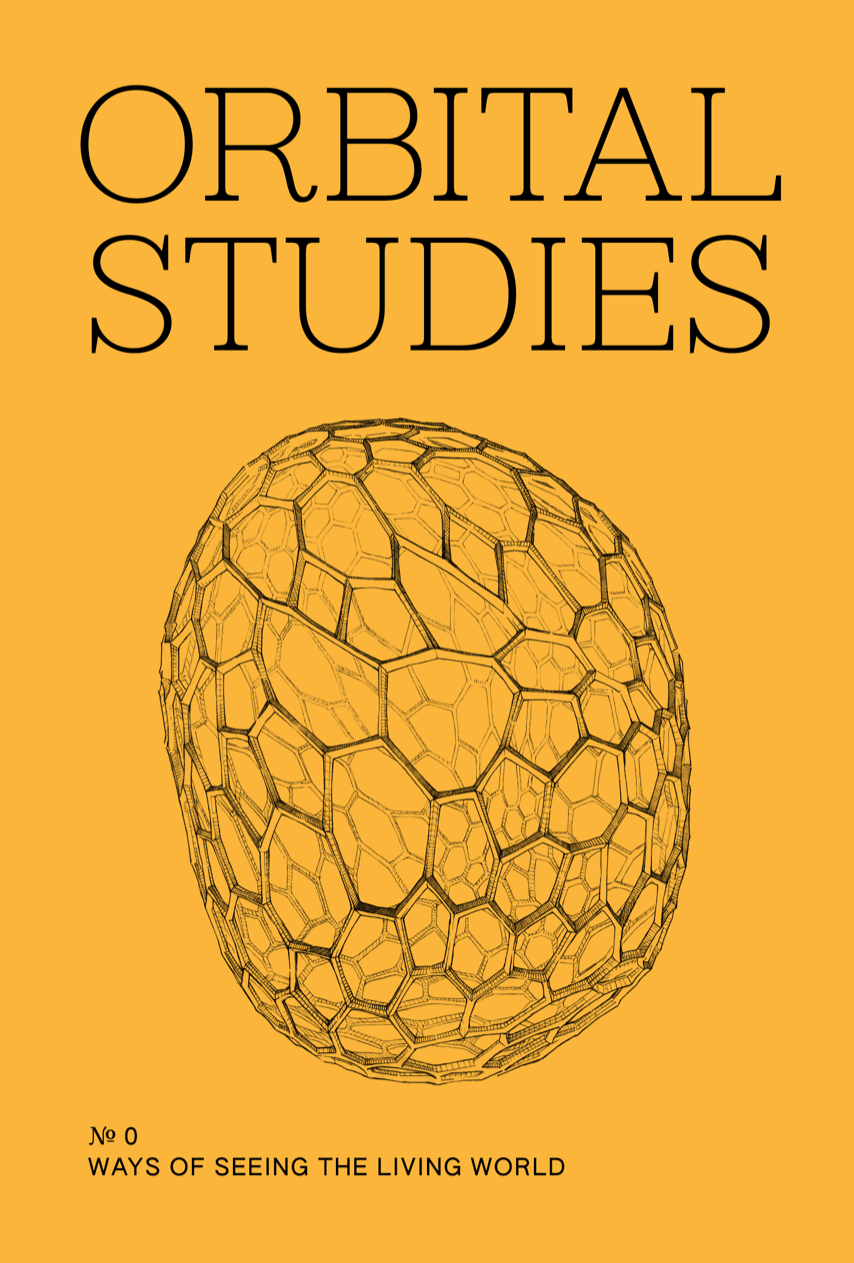
Orbital Studies Issue 0 cover
Orbital Studies Issue 0 back cover
Issue 0

PRE-ORDER DISCOUNT

  ...
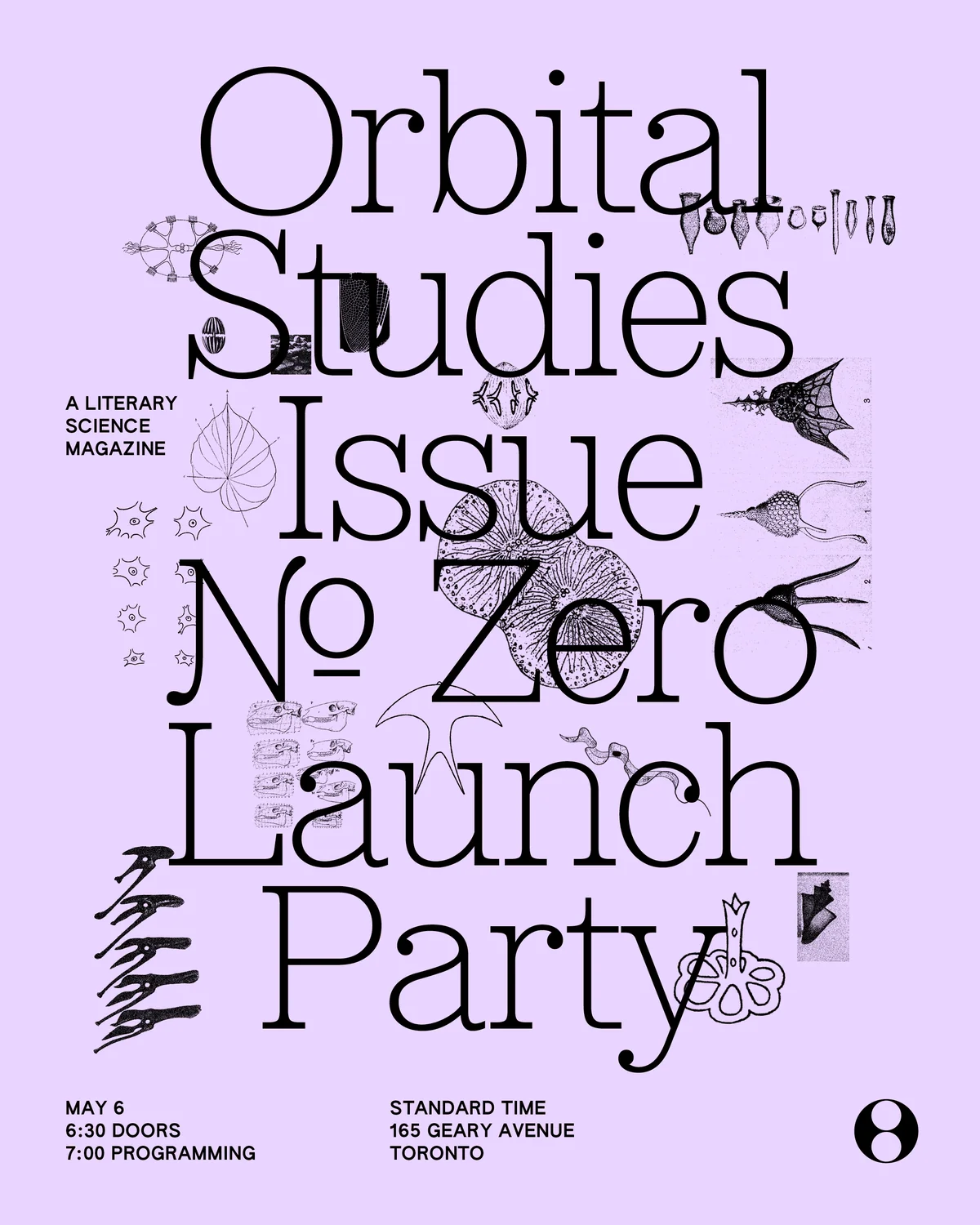
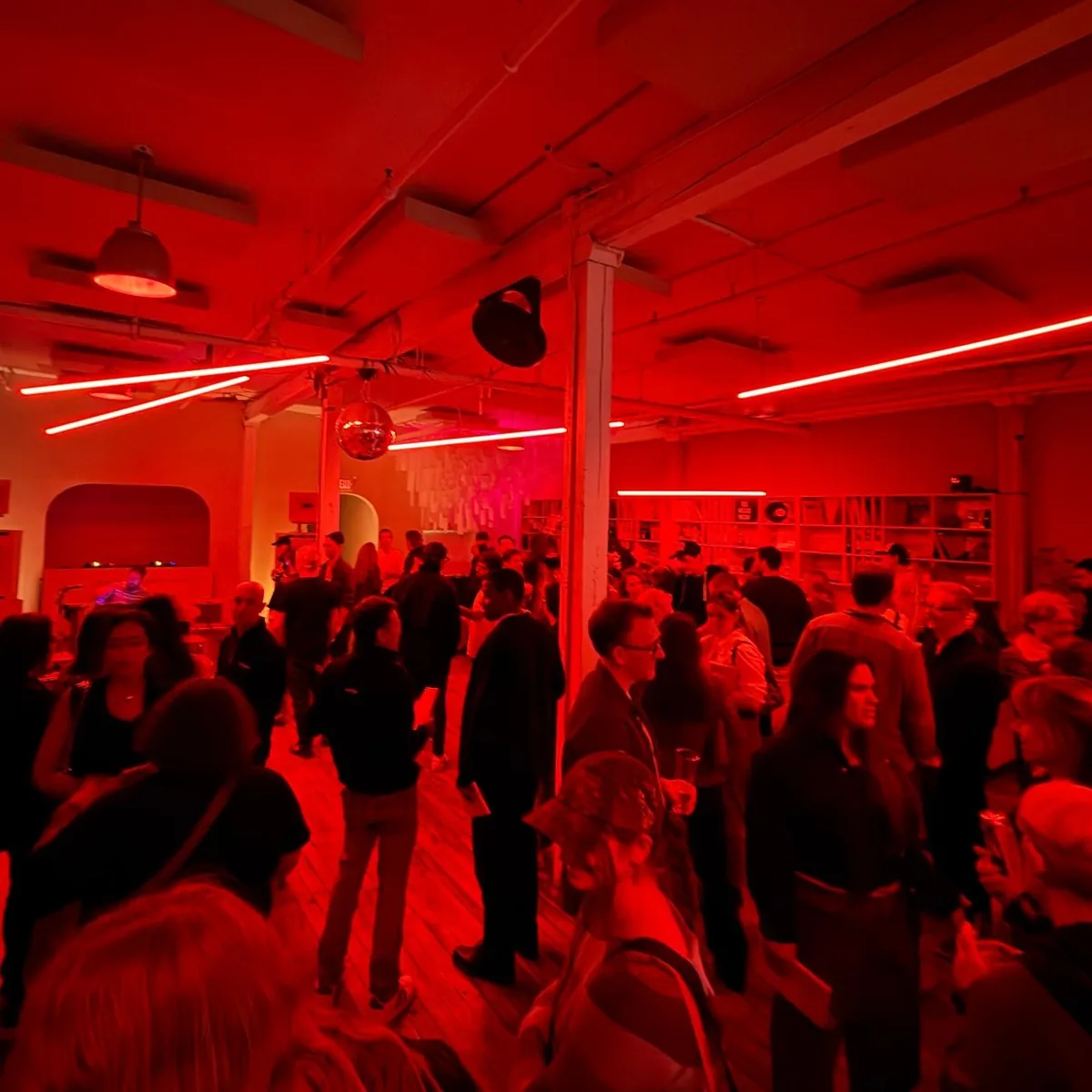
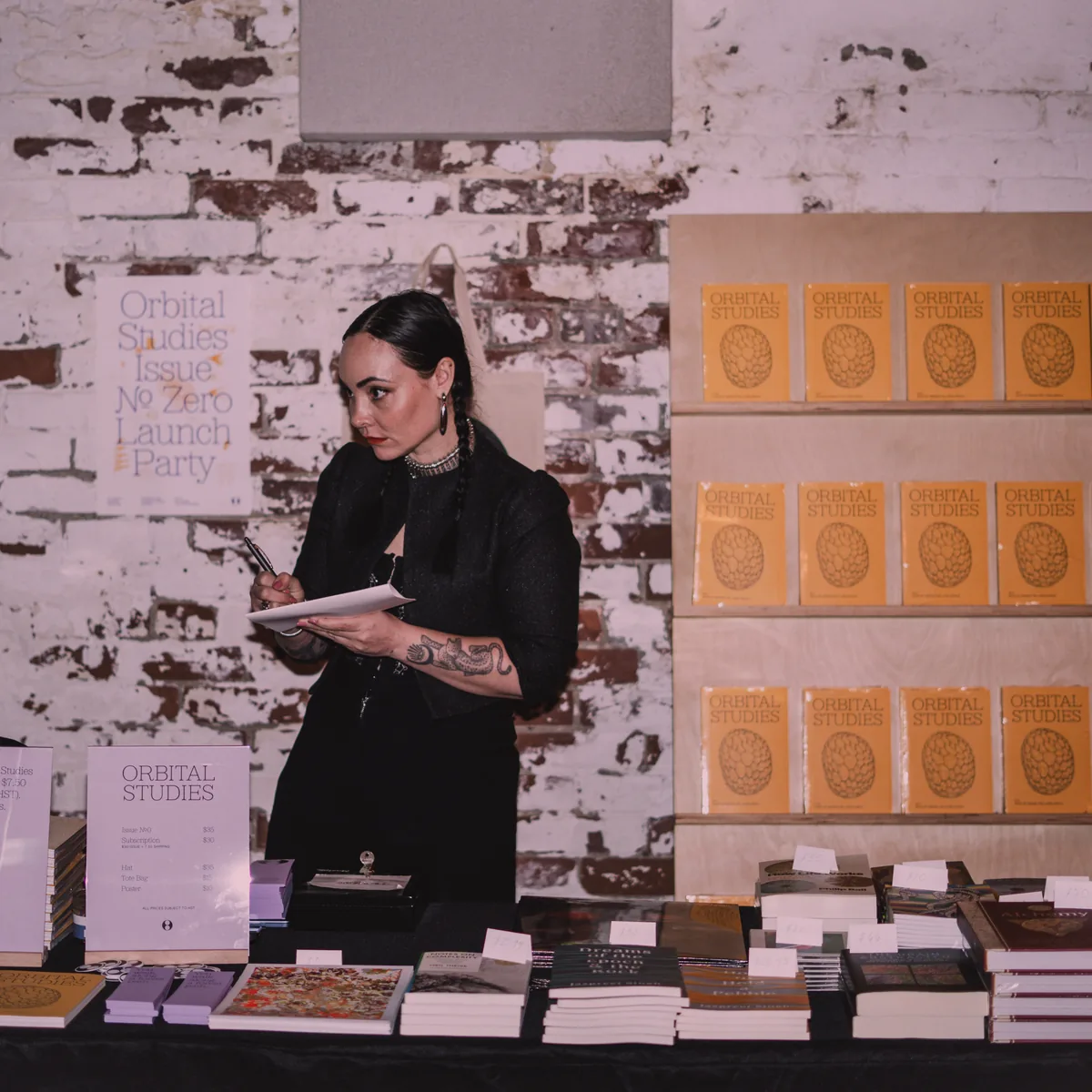
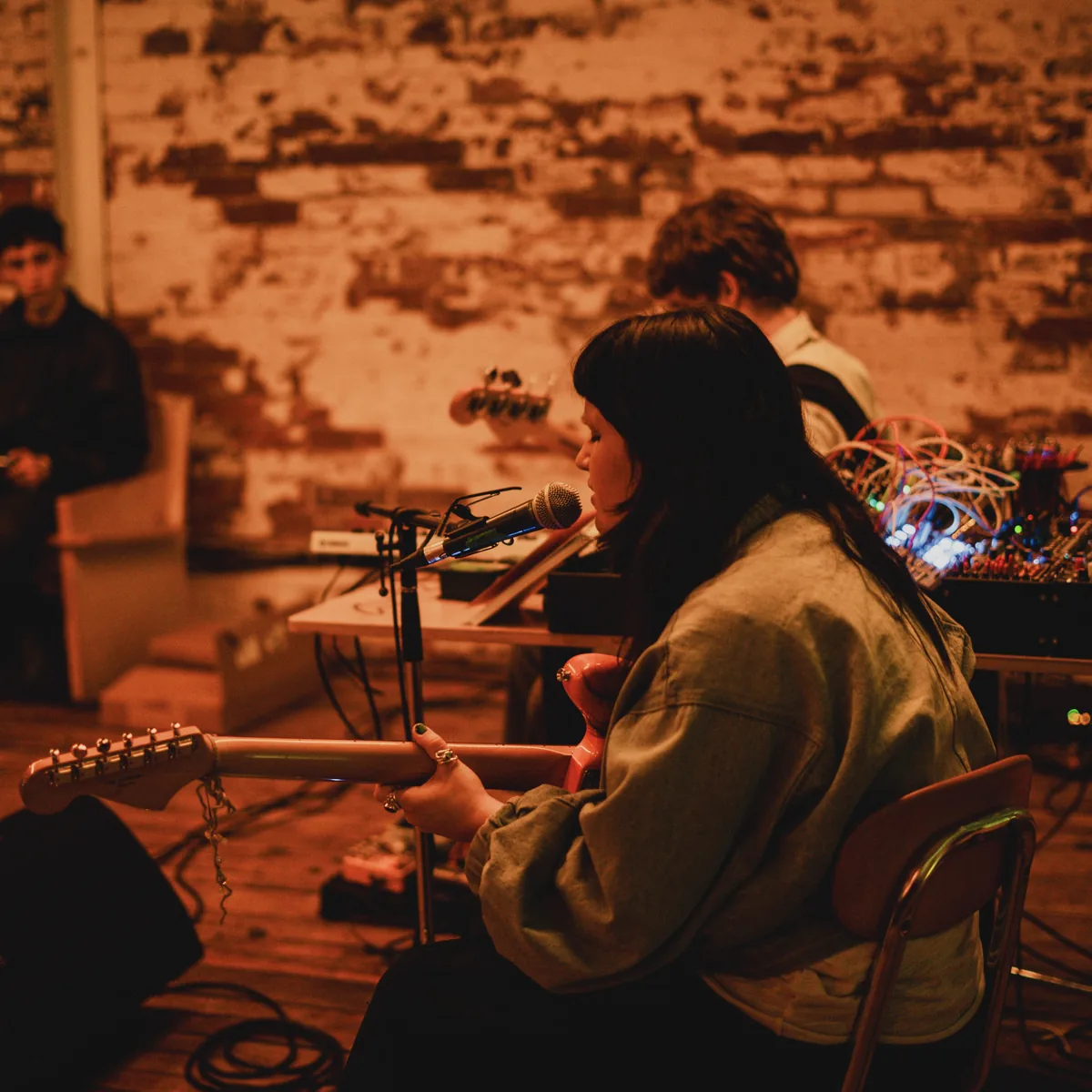
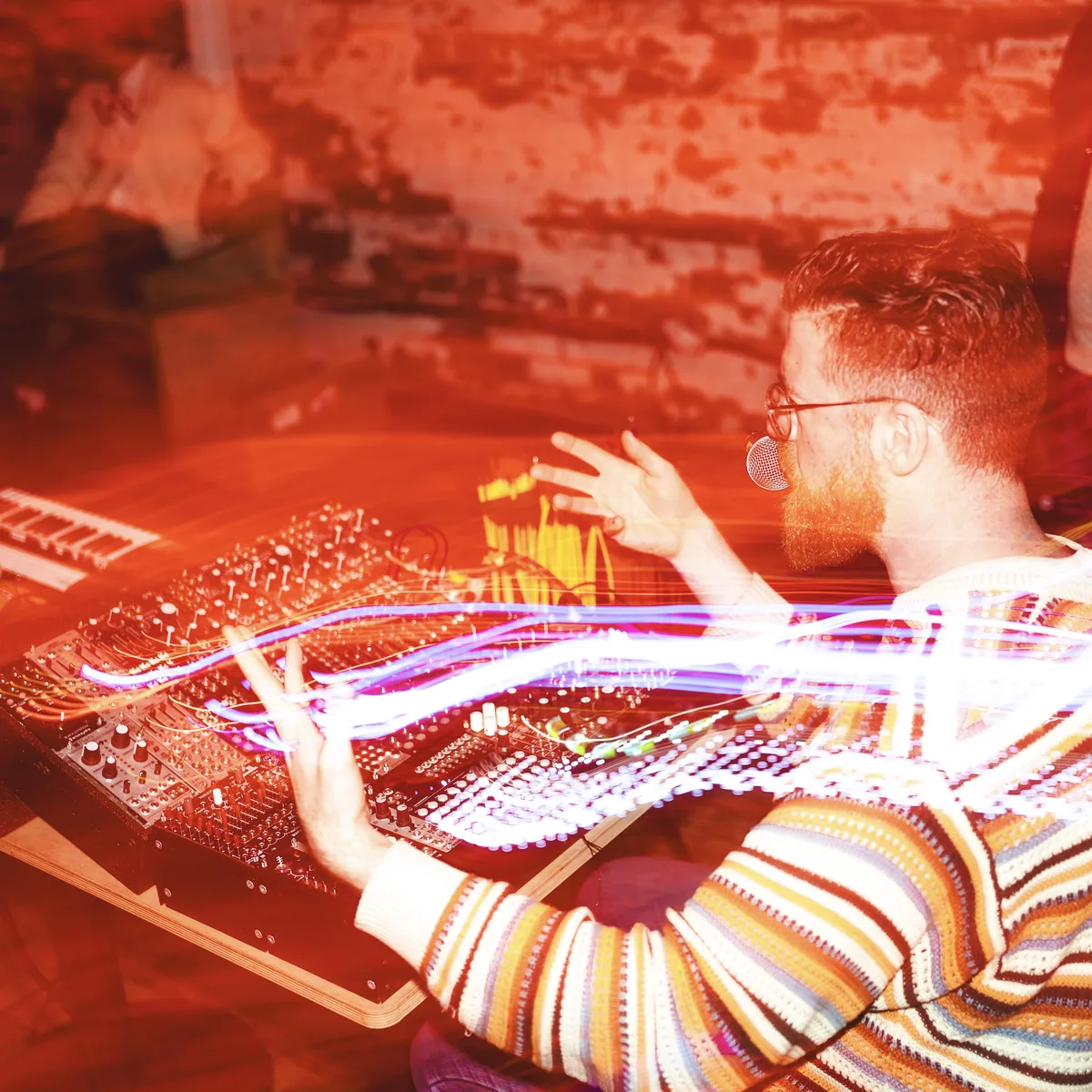
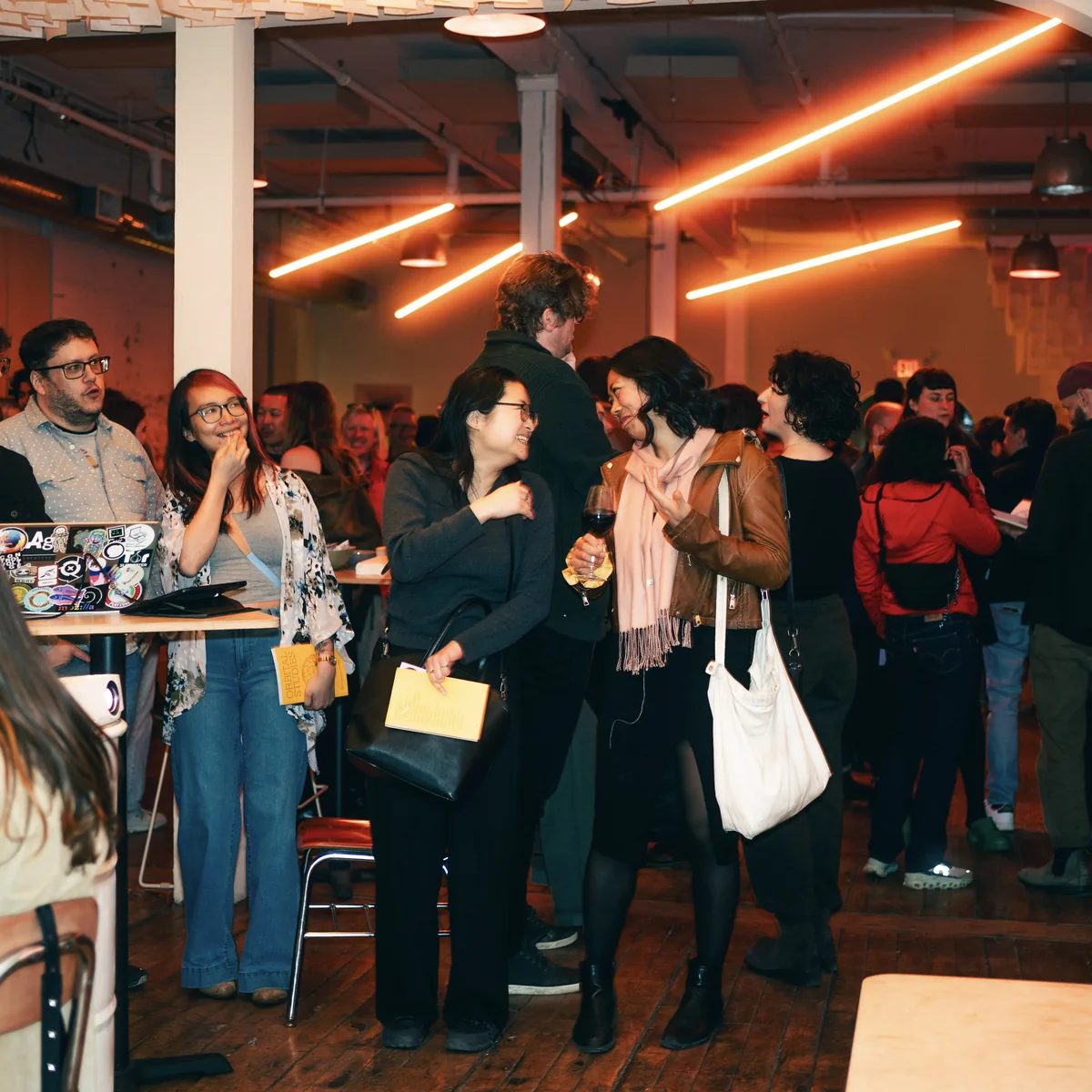
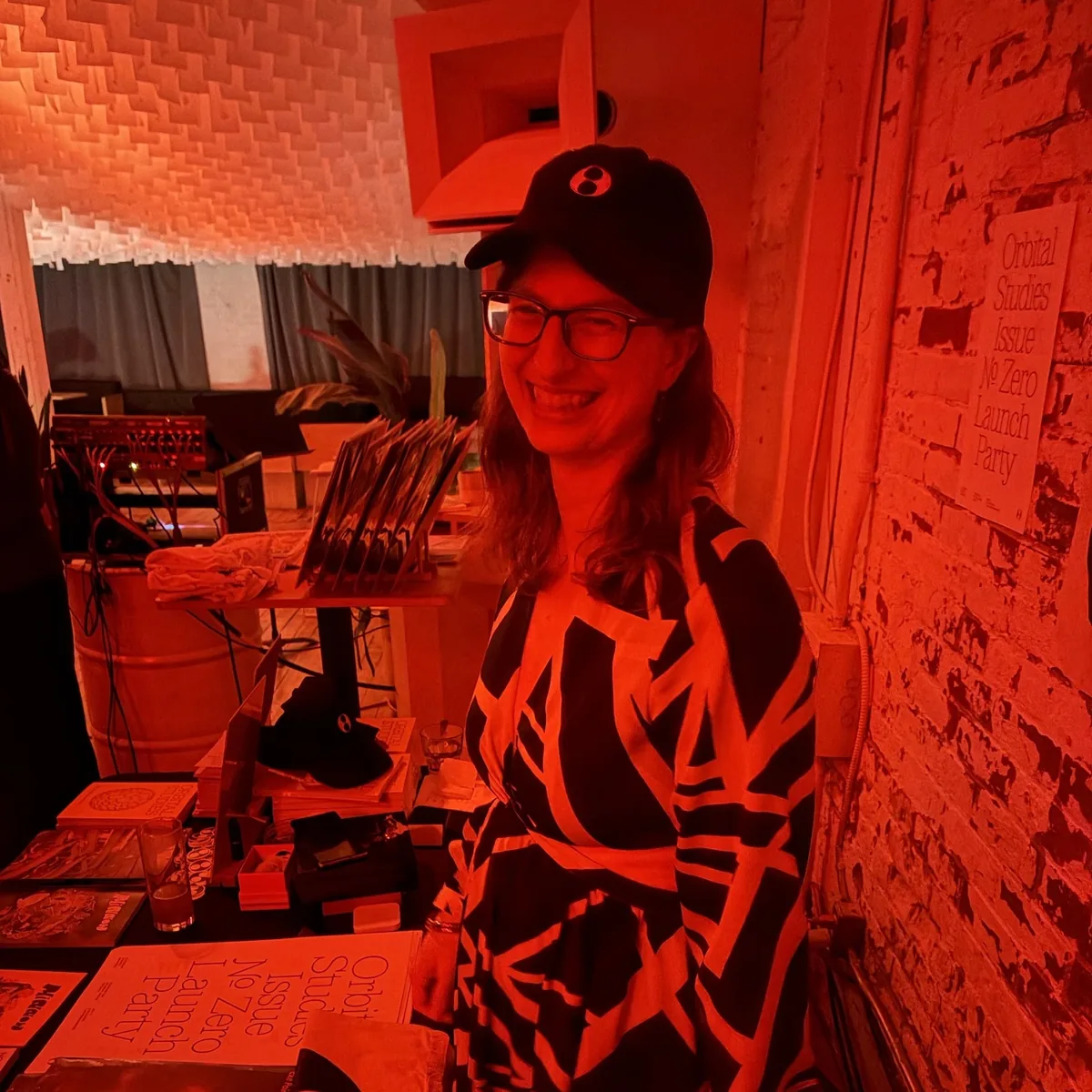
6 MAY 2026 Issue № 0 Launch Event, Toronto, ON
EPIGRAPH You walk along a forest path,

You walk along a forest path, the leaf litter compressing underfoot, when a flash of white catches your eye. You crouch down to look: rising up through the brown debris is a cluster of five pale translucent flowers, their necks bent towards the earth. The ghost pipe flower, its lack of colouring revealing its parasitic nature—rather than receiving its energy from the sun, it insinuates itself into the fungal web running through the soil and extracts the nutrients which the fungi have received from the photosynthesizing trees whose roots they join.

You stand again, hand on an oak for balance, the microbiome of your palm exchanging with that of its bark. As you raise your eyes, tracing the imagined mycelial tendrils, you notice a car-sized boulder between two trunks and deep time floods your awareness. This erratic was dropped here tens of thousands of years ago by a glacier which carved this topography, and the lichen which mottle its surface will digest it into soil for tens of thousands more.

Stepping closer, your visual field fills with the lichen’s intricate complexity, its fractal geometry invoking the branching of your lungs and the nearby river delta, a geometry whose study grew up alongside the development of computers, those telescopes into the mathematical realm which reveal structures of a complexity beyond the reach of the unaided mind. Structures whose infinite folds form the boundaries of future outcomes in the state-space of the atmosphere, thwarting attempts at long-term weather prediction, making this cloudless day a surprise and a gift.

Your mind comes back to earth, to the smell of pine and to this moment. You continue forward…

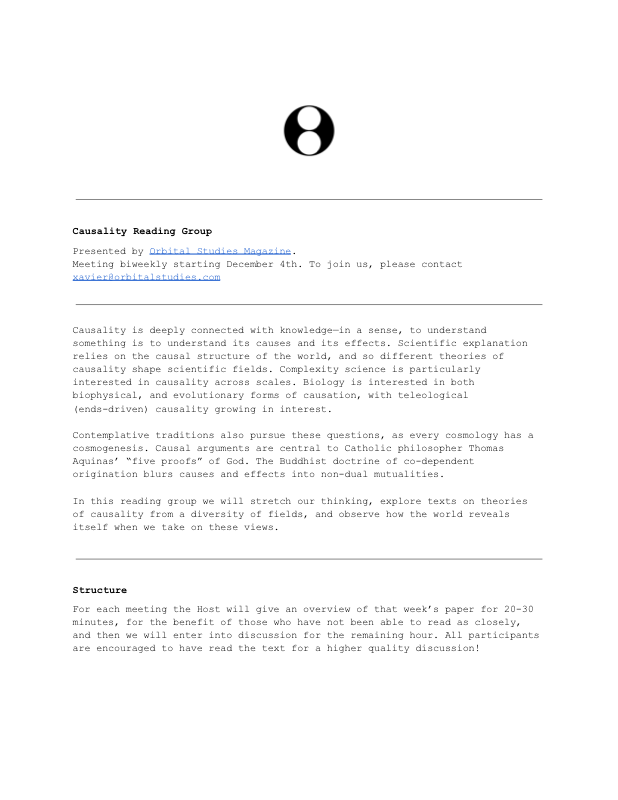
DEC 2025 – JAN 2026 Causality Reading Series, Online
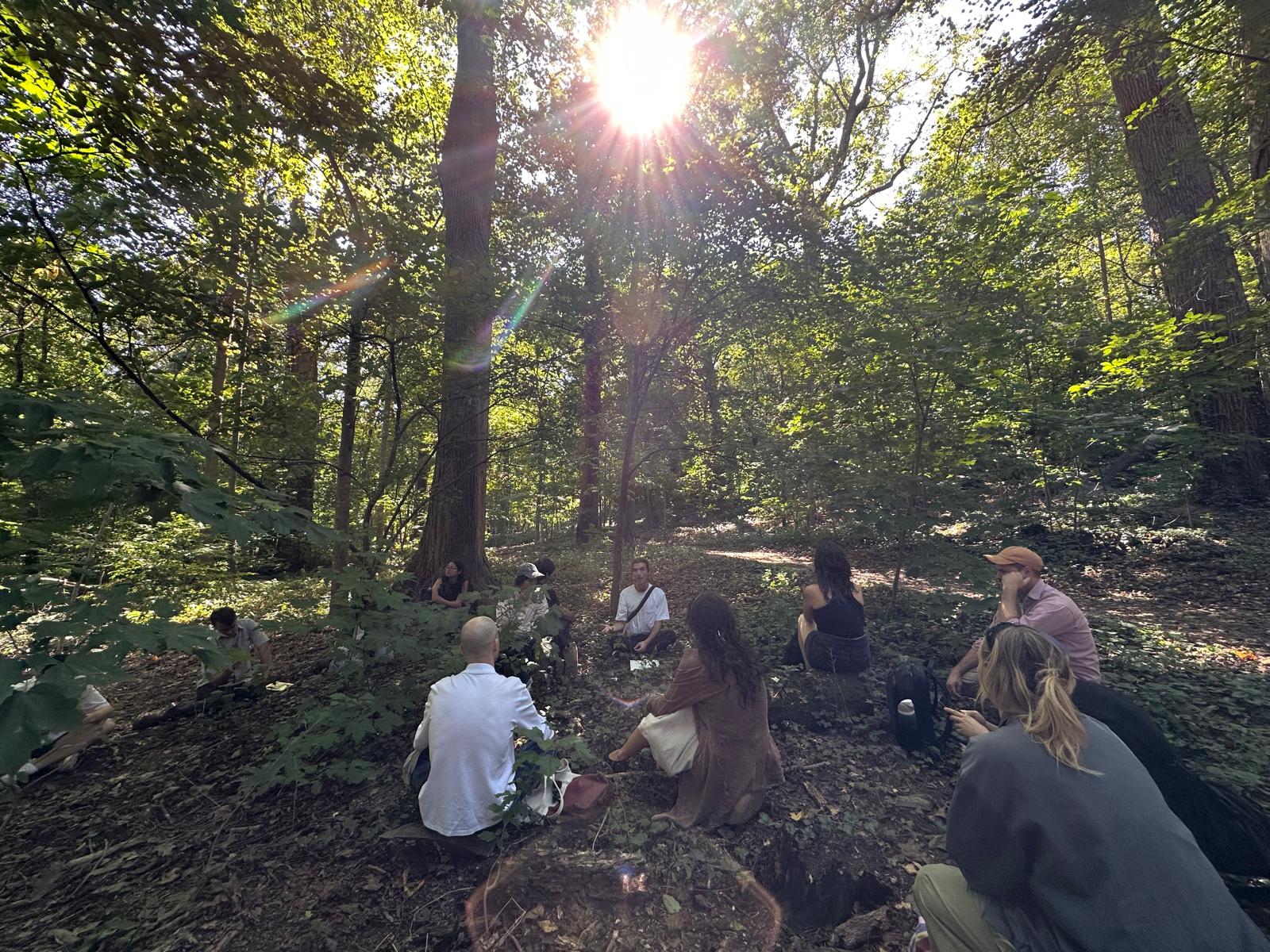
20 SEPT 2025 Pattern Foraging, Brooklyn, NY

Prospect Park

Hosted by Xavier Snelgrove, Cortney Cassidy, and Zach Schlosser.

“The world has patterns, of which our thinking is a part. It makes us feel good to experience these patterns: it is one way of coming home.”

JAN ZWICKY, WISDOM & METAPHOR L117

The perceiving of patterns is mind in its natural state. We think in analogy, the interconnections between our perceptions are patterns, patterns both there in the world and also projected from us.

One pattern is “cyclicality”, and we see it in the rhythm of birdsong, the texture of waves and bark, the passage of day and night, and that of the seasons. Another is “boundary” or “membrane” which we see in our skin, in the cell membrane, in the coastline, in the precise moments a cricket’s call arises and ceases.

Join us for a Pattern Foraging workshop where we walk the land to practice and play with the contemplation of patterns. Intentionally tuning to pattern creates a gestalt shift, everything changes, some elements move to the foreground, others to the background. New objects and new structures are revealed. This experience radically expands your awareness of the richness of the world. This is the essence of science.

We will forage new patterns we find on our walk, and reflect as a group on where we might bring these patterns into our organizations, our lives, and our relationships. We will commit to remembering the natural world as the place from which we harvested these patterns, and consider our duty of reciprocity.

  • Roughness, leading to habitats
  • Hallucinations of poison ivy
  • Rivers of sky in the tree canopy, negative space in community
  • Footsteps and memory
  • Round red bugs, not going anywhere
  • Reaching towards what feels good
  • Shafts of light creating sacred emphasis
  • Intermittent man-made sounds atop the sounds of bugs, breeze, and rustle
  • Leaves falling directly in front of me
  • Smaller plants still catching light
  • Bits of trash with images on them, who left them?
  • Nature atop trash atop nature
  • Ants tracing the bite marks on a leaf from a previous being—temporal precedence matters
  • Neglected hurt, backsides of stepped-upon leaves
  • Necessity of creativity to see patterns, creativity begets creativity
  • Characteristic power-of-ten scales without much in-between, do they know each other? Does that allow for co-existence?
  • Small tree in contact with large tree of a different species, the seam where they make contact.
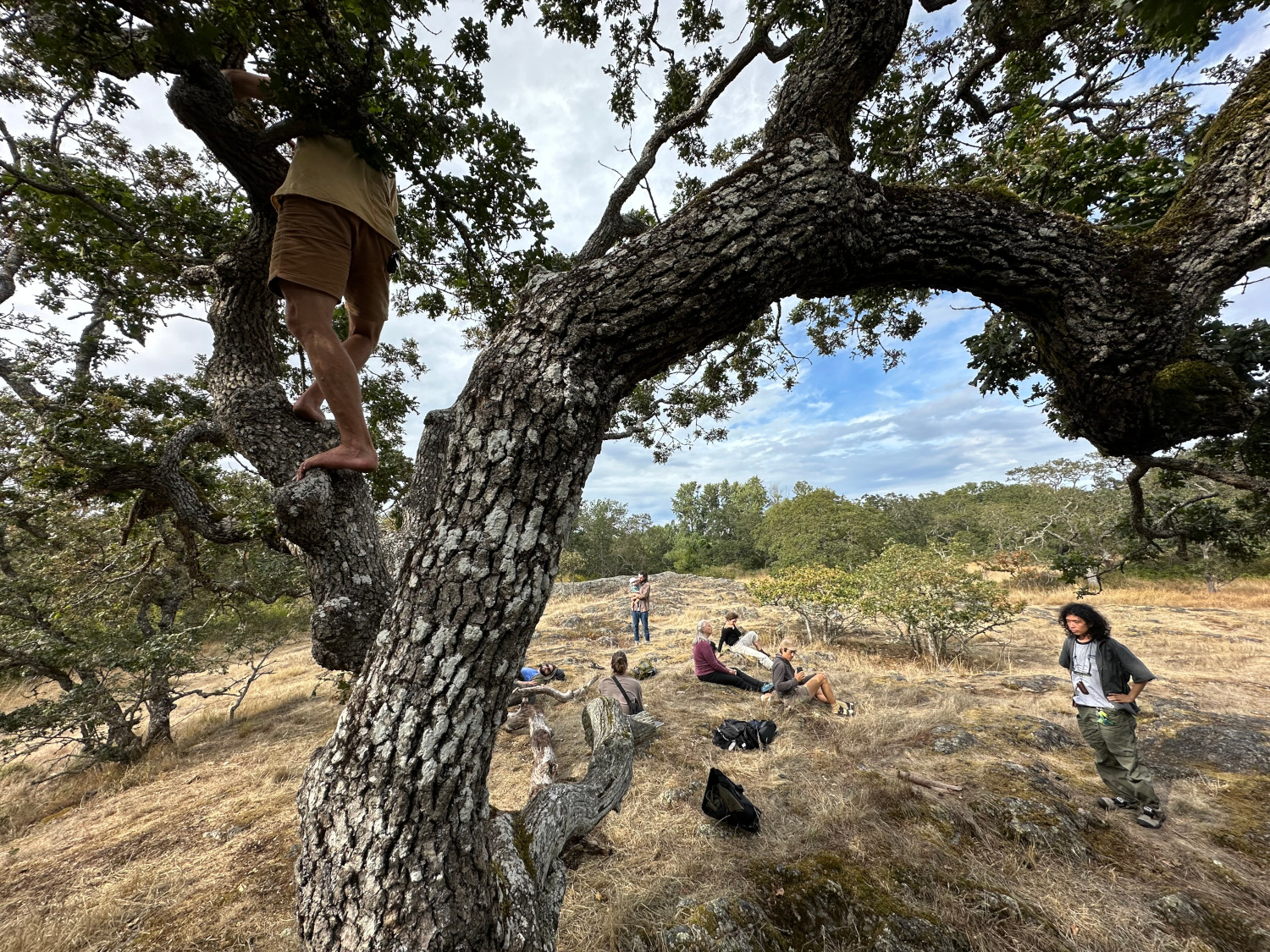
17 AUG 2025 Pattern Foraging, Victoria, BC

Uplands Park

Hosted by Xavier Snelgrove, Tyler Stuart, & Tara Dougans as part of The Nectary.

“The world has patterns, of which our thinking is a part. It makes us feel good to experience these patterns: it is one way of coming home.”

JAN ZWICKY, WISDOM & METAPHOR L117

The perceiving of patterns is mind in its natural state. We think in analogy, the interconnections between our perceptions are patterns, patterns both there in the world and also projected from us.

One pattern is “cyclicality”, and we see it in the rhythm of birdsong, the texture of waves and bark, the passage of day and night, and that of the seasons. Another is “boundary” or “membrane” which we see in our skin, in the cell membrane, in the coastline, in the precise moments a cricket’s call arises and ceases.

Join us for a Pattern Foraging workshop where we walk the land to practice and play with the contemplation of patterns. Intentionally tuning to pattern creates a gestalt shift, everything changes, some elements move to the foreground, others to the background. New objects and new structures are revealed. This experience radically expands your awareness of the richness of the world. This is the essence of science.

We will forage new patterns we find on our walk, and reflect as a group on where we might bring these patterns into our organizations, our lives, and our relationships. We will commit to remembering the natural world as the place from which we harvested these patterns, and consider our duty of reciprocity.

  • Growth / death around the edges
  • Bifurcation & culling causing corkscrews
  • Crooks
  • Wind-response at different times at different heights
  • Clusters, gathering around centres of nutriment
  • Areas of refuge
  • Affinity, patterns appearing together
  • Smell of decomposition
  • Spatiality of interlapping agency
  • Swarms
  • Flow/direction
  • Desire paths
  • Solace & Danger
22 APR 2025 Antiqua et Nova Reading Series, Online + Toronto

This series is now complete.

This is a 3-part series culminating in an informed discussion of the Vatican’s paper Antiqua Et Nova. Each session centers on a specific text, and while sessions are self-contained, we encourage attending all three to build a deeper understanding as we explore the material together.

Session 1: The Brain Abstracted
Our first reading will be the introduction to The Brain Abstracted: Simplification in the History and Philosophy of Neuroscience by M. Chirimuuta, Senior Lecturer in Philosophy at the University of Edinburgh. This text speaks to the incredible complexity of the human brain, the historical background of philosophies of organism and philosophies of mechanism, and the role of abstraction, simplification and analogy in scientific explanation.

Session 2: Living Things Are Not Machines (Also, They Totally Are)
Our second reading will be much less academic, reading the somehow omnipresent developmental and synthetic biologist Michael Levin’s piece in Noema magazine Living Things Are Not Machines (Also, They Totally Are).

Session 3: Antiqua et Nova
Finally we will read the Vatican’s position paper on AI, Antiqua et Nova: Note on the Relationship Between Artificial Intelligence and Human Intelligence.

EPHEMERA Postcard
Orbital Studies postcard front Orbital Studies postcard back
Orbital Studies

Thank you for your pre-order. We will notify you when it ships.